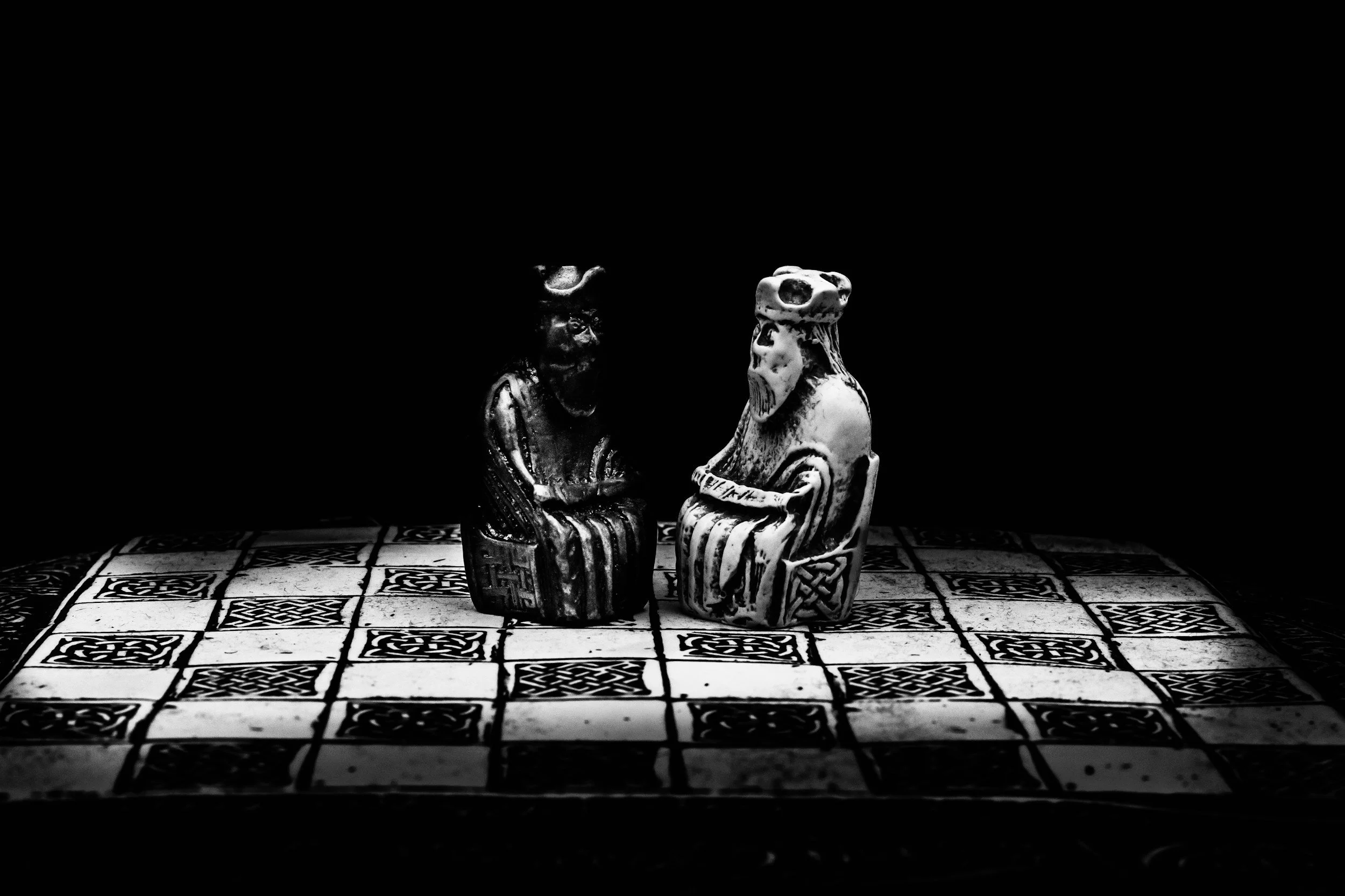
The Global Journy of Chess and the Lewis Chessmen
How a 12th-Century Ivory Chess set reveals everyday life & Cultural exchange
Adam Fuller - History 111 - Final Project

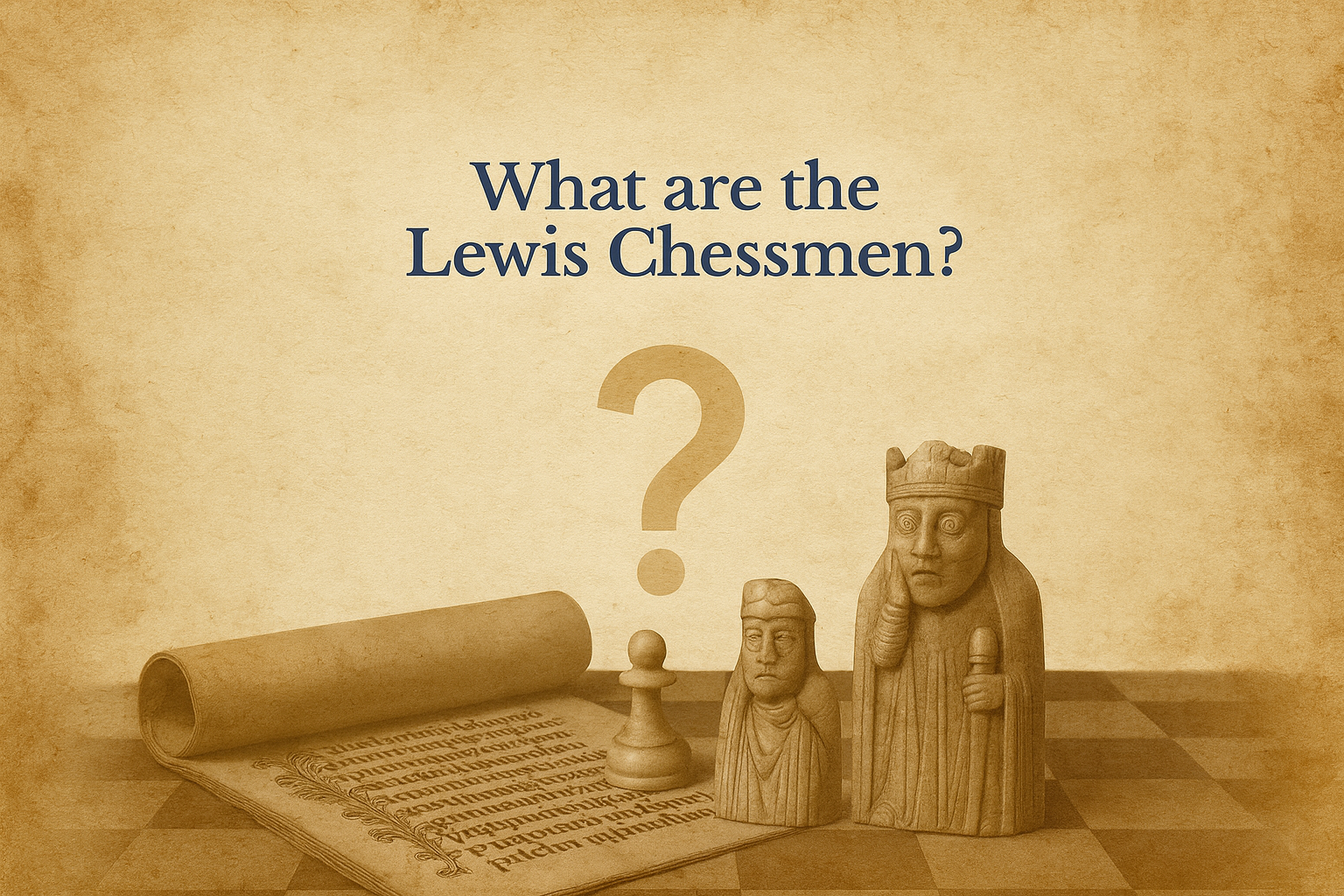
The Object of the Study
The Lewis Chessmen are a collection of 12th-century walrus-ivory game pieces discovered in 1831 on the Isle of Lewis, Scotland. Split today between the British Museum and the National Museums Scotland. They offer a unique window into Scandinavian craftsmanship, social life, and cultural exchange.
The Course Connection
For this project, we were asked to choose an object of everyday life from before 1500 and analyze its cultural, historical, and social significance. The Lewis Chessmen stood out because they combine global influences with everyday medieval leisure.
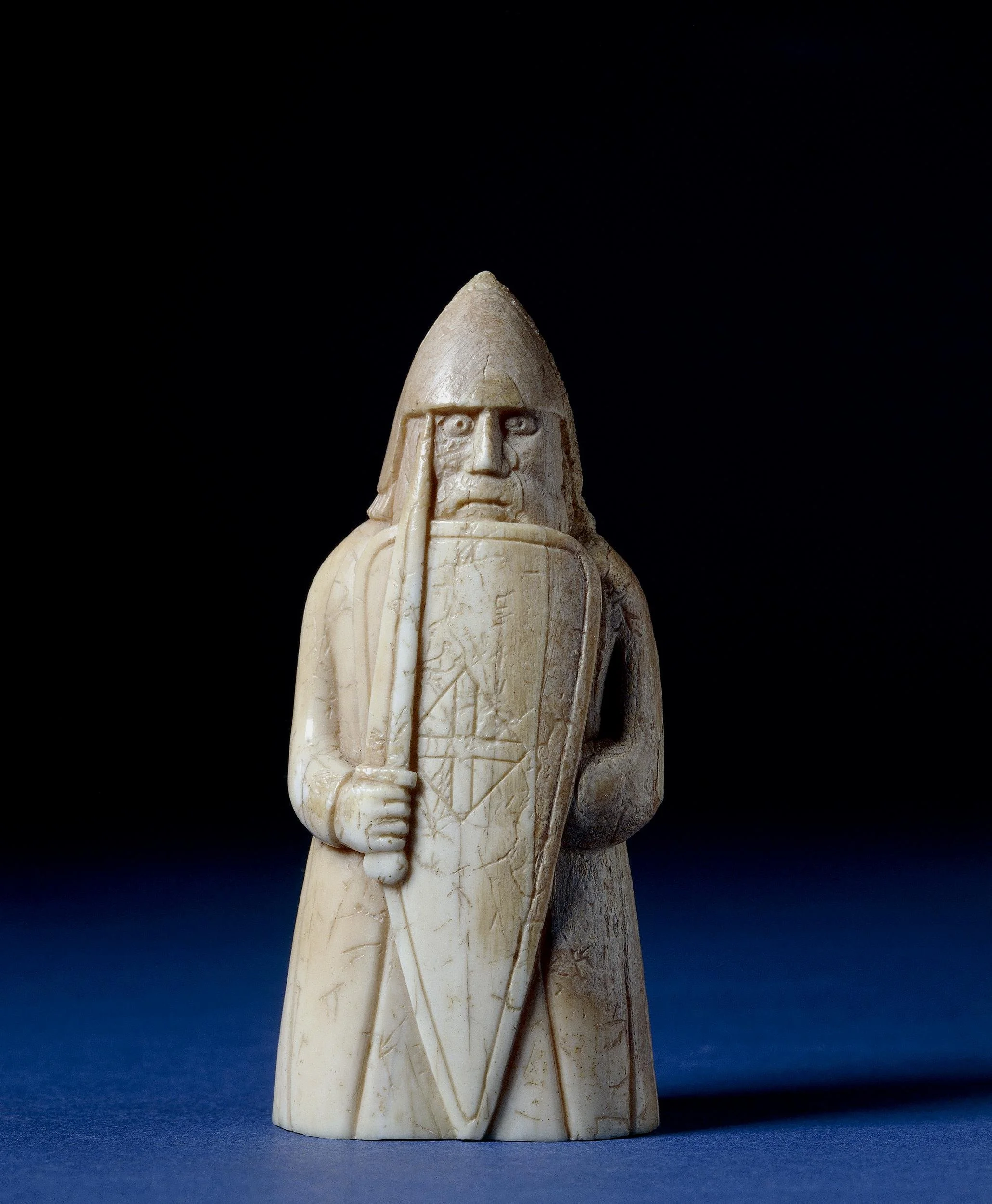
12th-century Scandinavian-style chess piece from the Lewis hoard: Warder
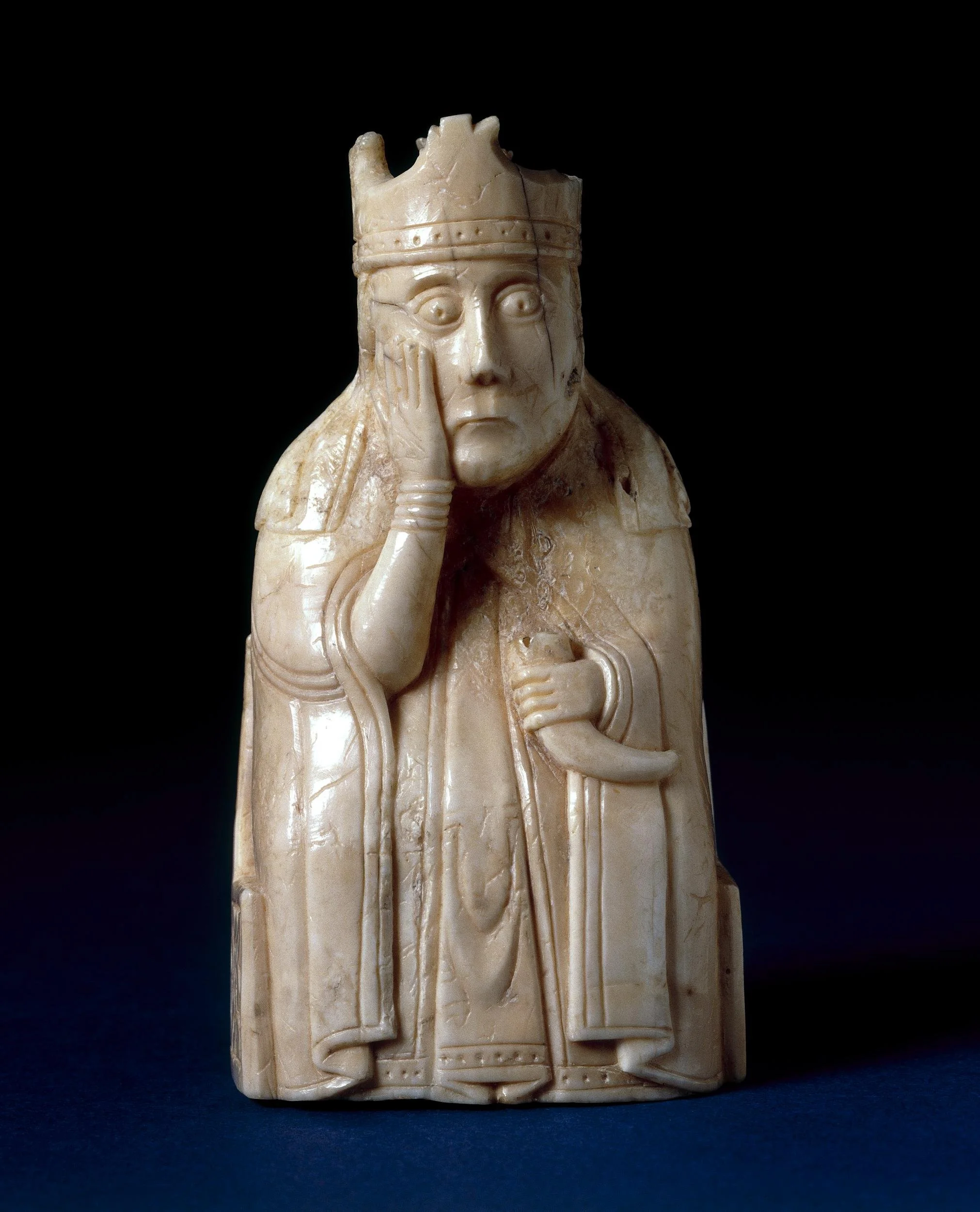
12th-century Scandinavian-style chess piece from the Lewis hoard: Queen
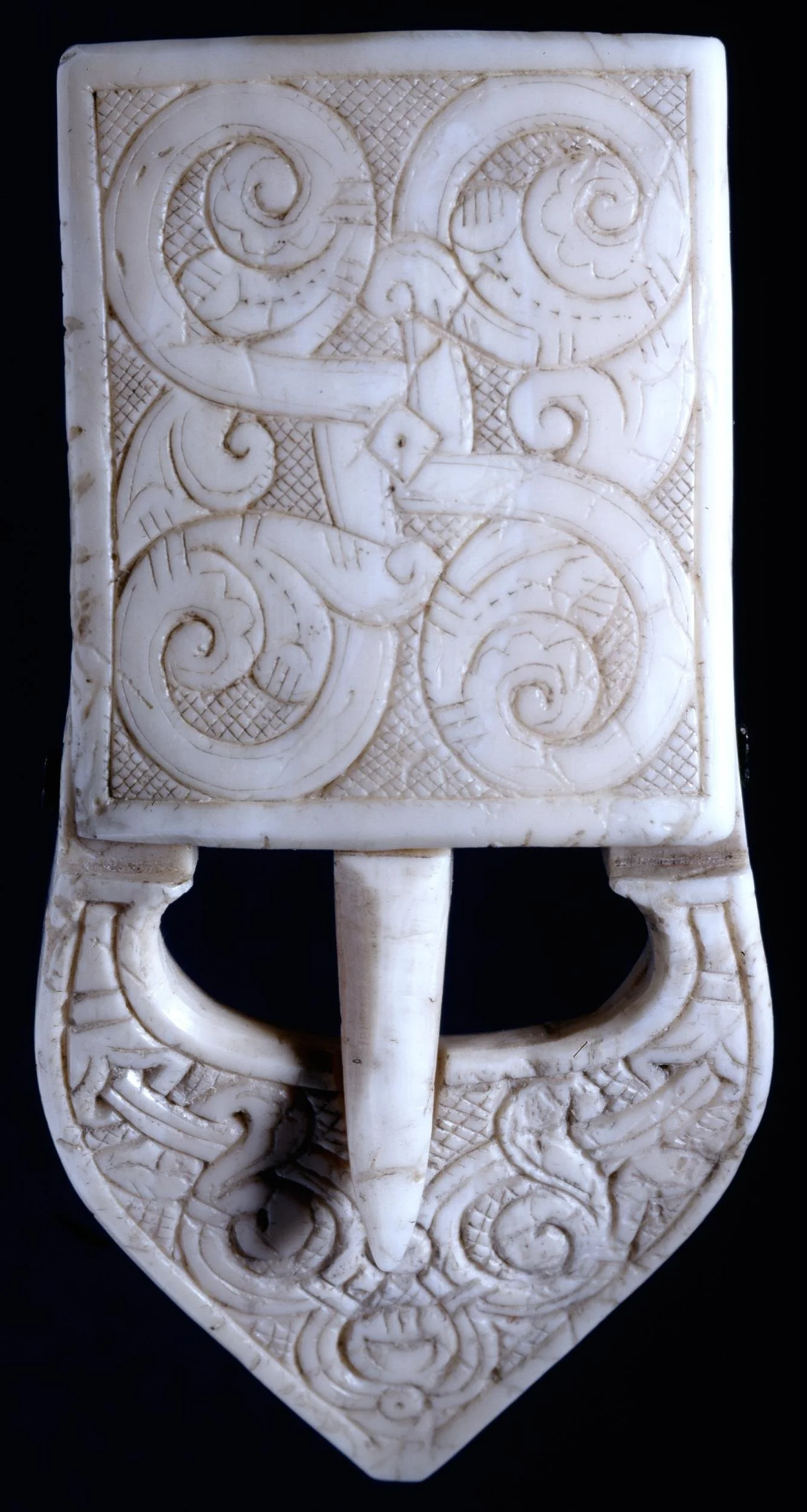
The hoard contains 93 objects: 78 chess pieces, 14 gaming tablemen, and one buckle. Carved from walrus ivory and whale tooth, the pieces feature expressive faces, detailed thrones, intricate clothing, and a mix of humor and tension in their designs.
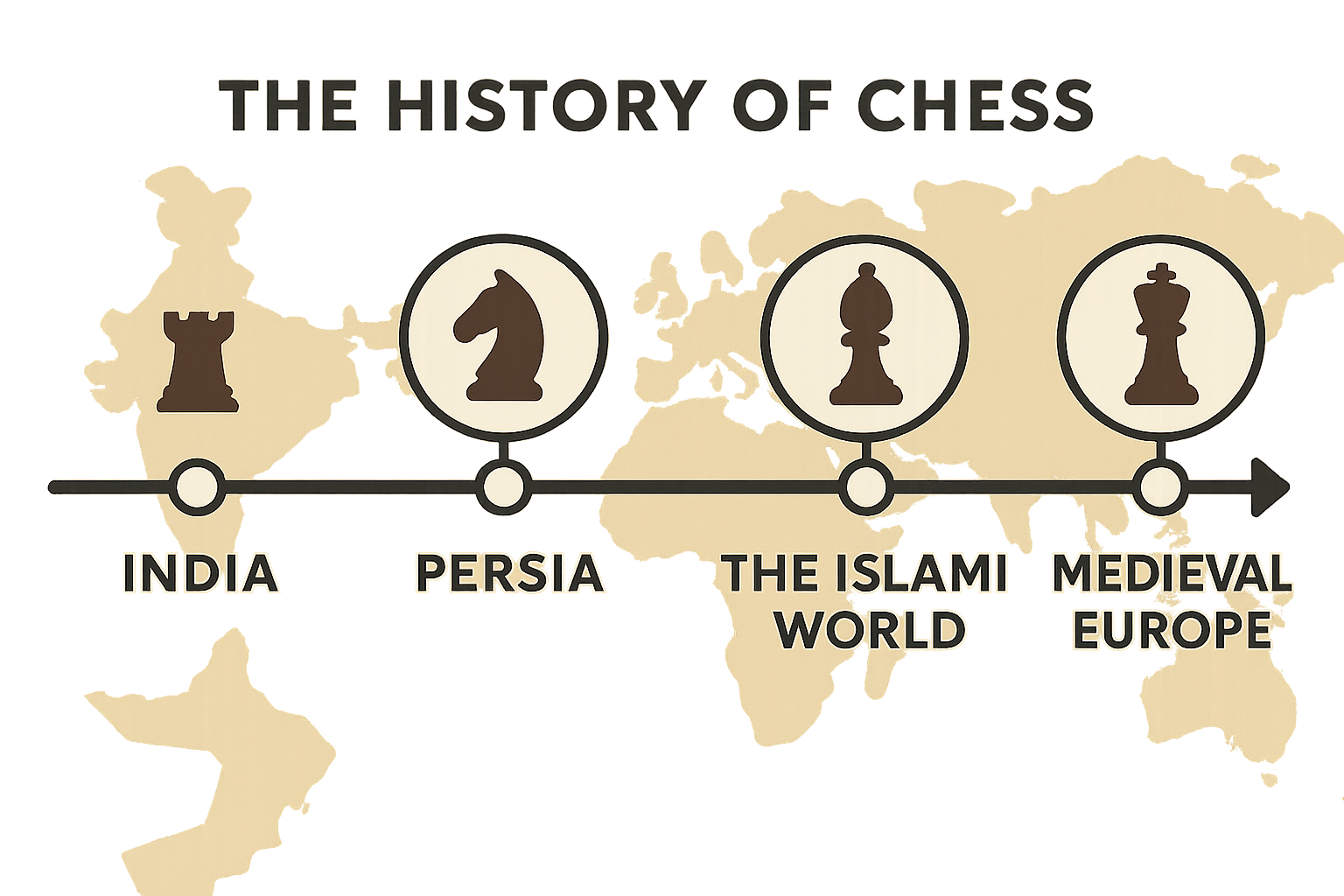
Chess as a Global Traveler
Chess began as Chaturanga in India around the 6th century. It spread to Persia as Shatranj, then across the Islamic world, eventually reaching Europe. By the time the Lewis Chessmen were carved, chess had already crossed multiple cultures and continents.
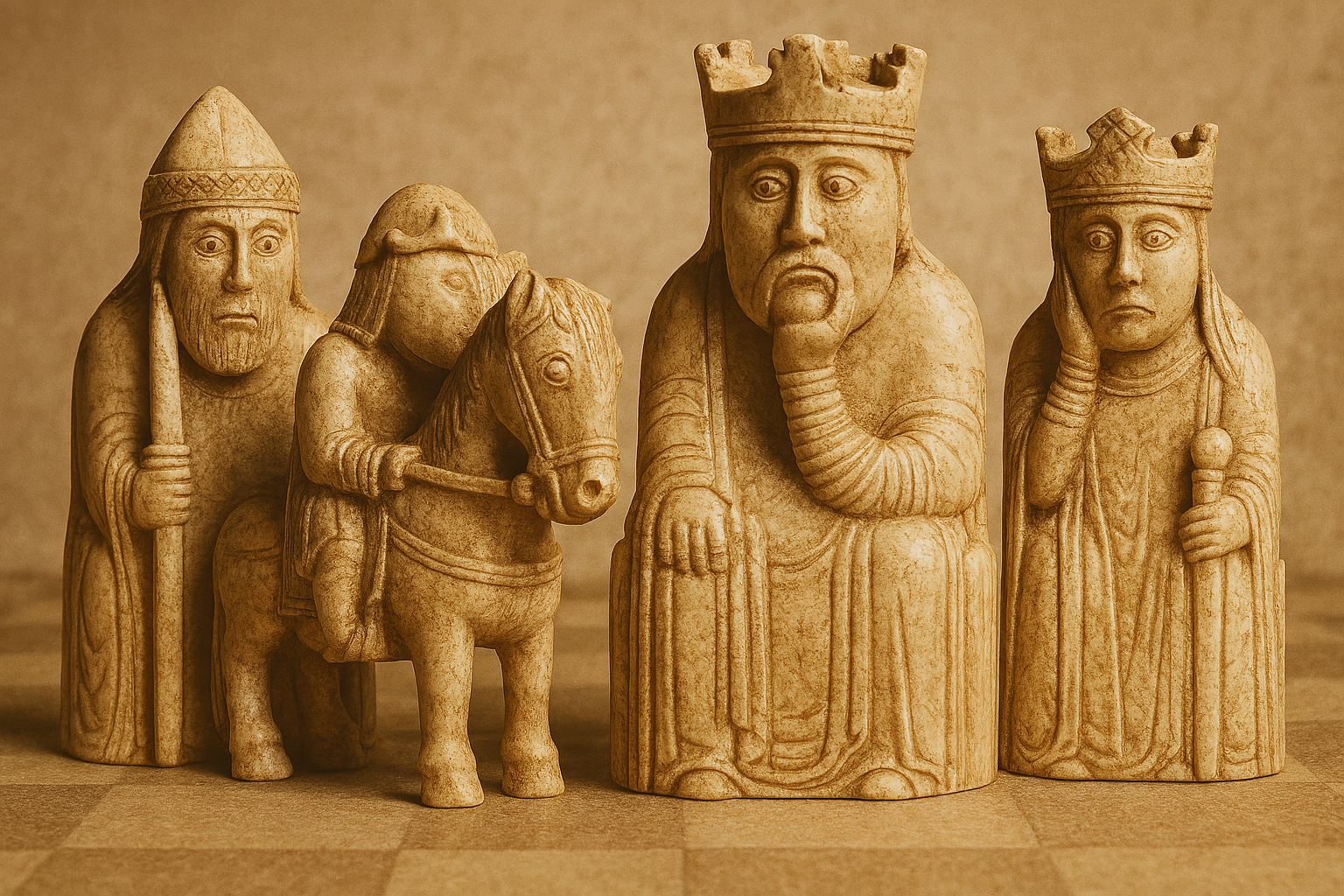
A Global Game with Local Style
The game of chess originated far from Scandinavia, yet the style of the Lewis Chessmen is distinctly Norse. Their carved thrones, weapons, and facial expressions reflect medieval Scandinavian culture, showing how global ideas become locally reimagined.
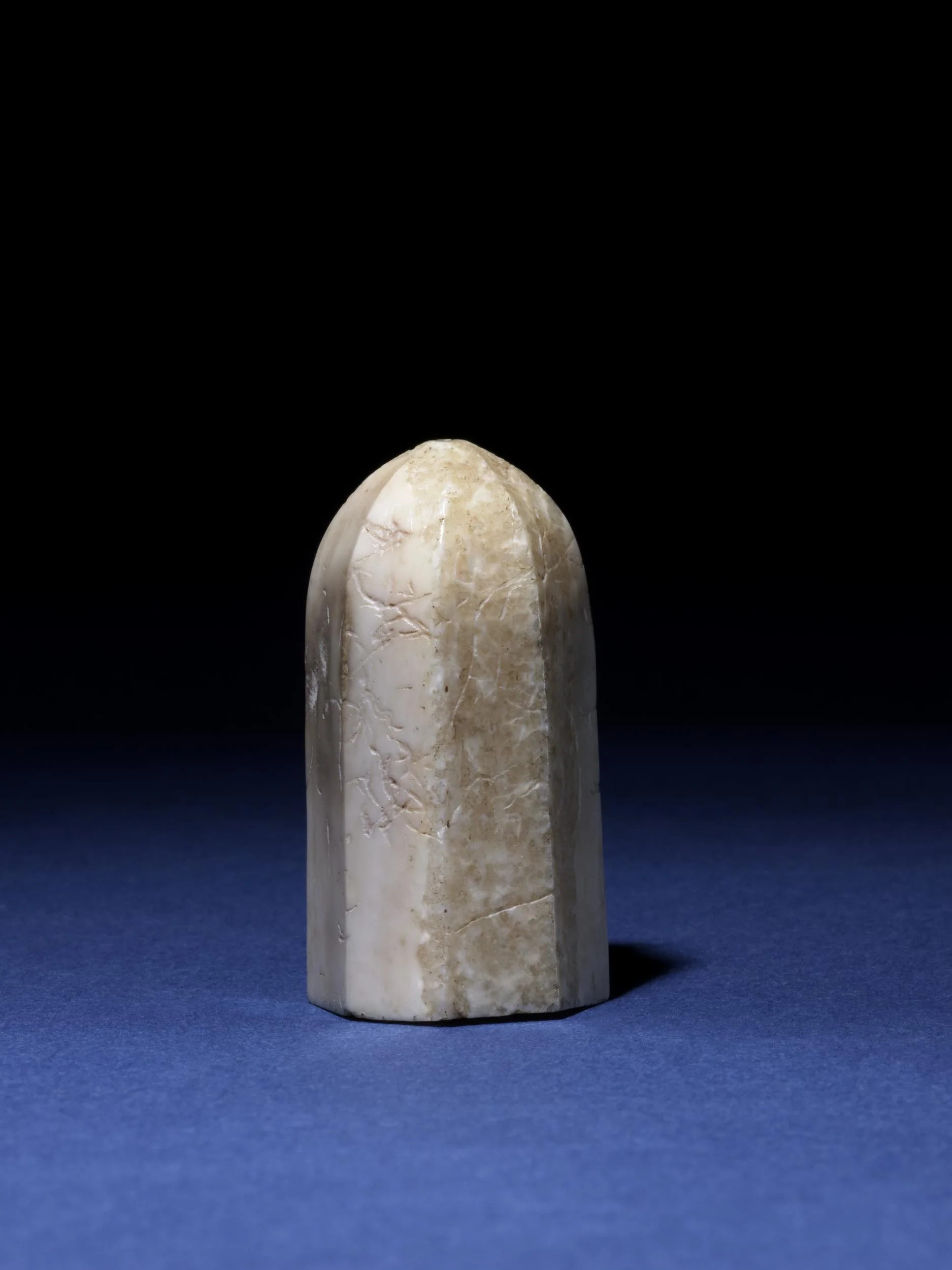
12th-century Scandinavian-style chess piece from the Lewis hoard: Pawn
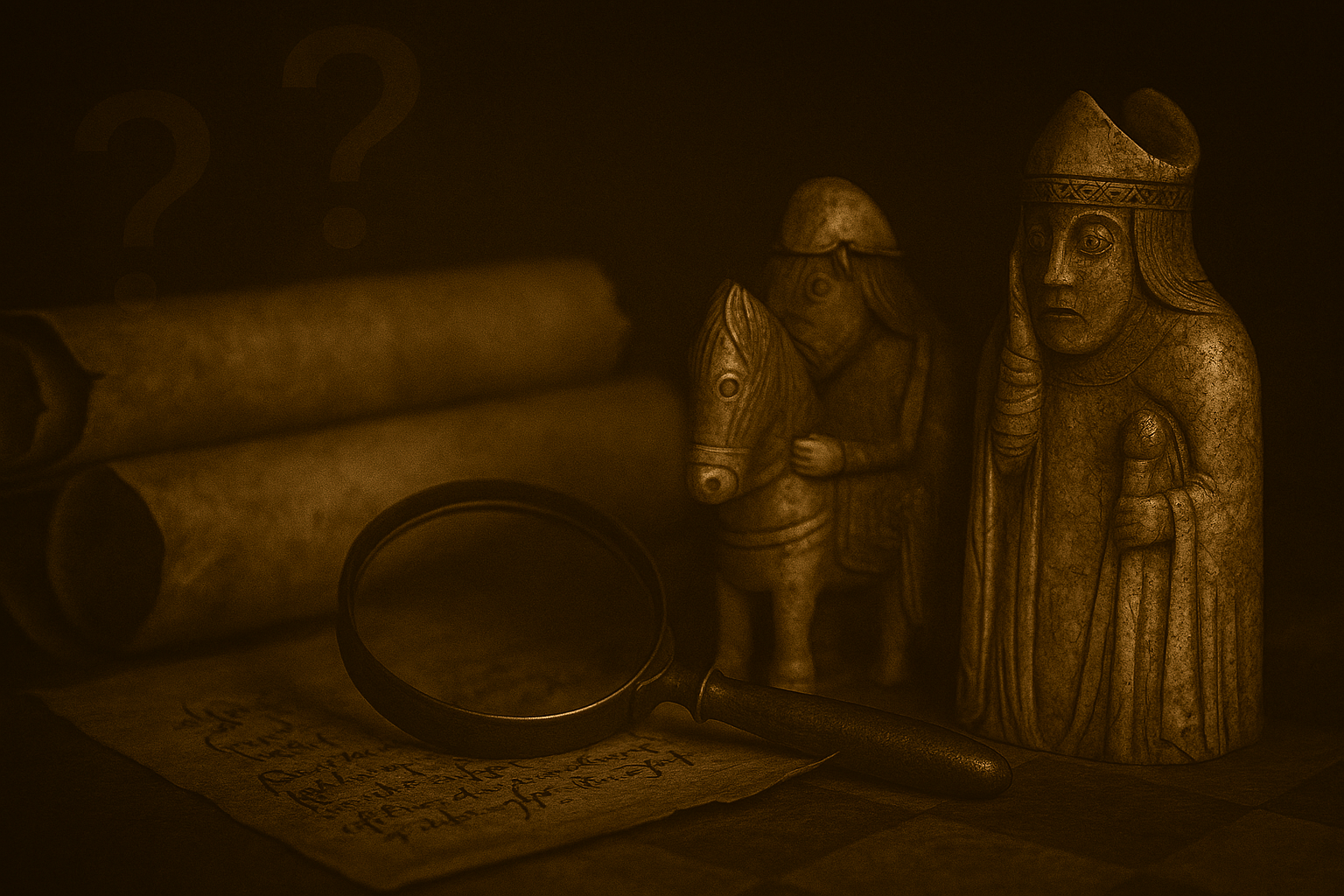

12th-century Scandinavian-style chess piece from the Lewis hoard: Collection
Mysteries of the Lewis Chessmen
Although well-studied, the Lewis Chessmen still raise questions:
Where exactly were they carved? (Norway? Iceland?)
Why were they buried or hidden on Lewis?
Were they lost merchant goods or a deliberate stash?
Why do some sets seem incomplete?

How I researched this project
I began with museum sources to understand the basic facts: dating, materials, and discovery. Then I turned to scholarly texts, including H.J.R. Murray and Marilyn Yalom, to study the evolution of chess. Articles and analyses helped me explore debates about the Chessmen’s origins and purpose.
Key Sources:
British Museum
National Museums Scotland
World History Encyclopedia
Murray, A History of Chess
Yalom, The Birth of the Chess Queen
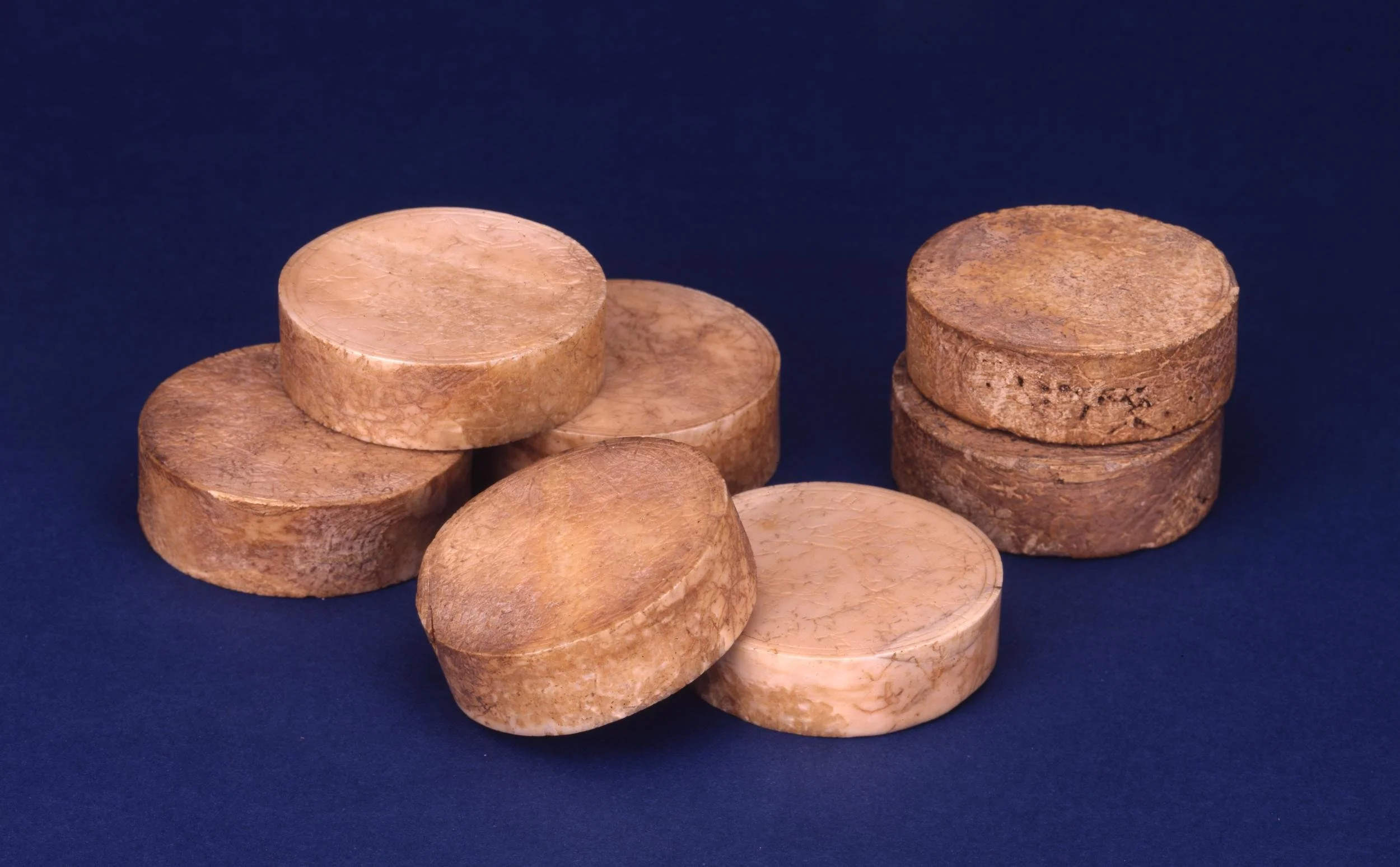
12th-century Scandinavian-style chess piece from the Lewis hoard: Tablemen
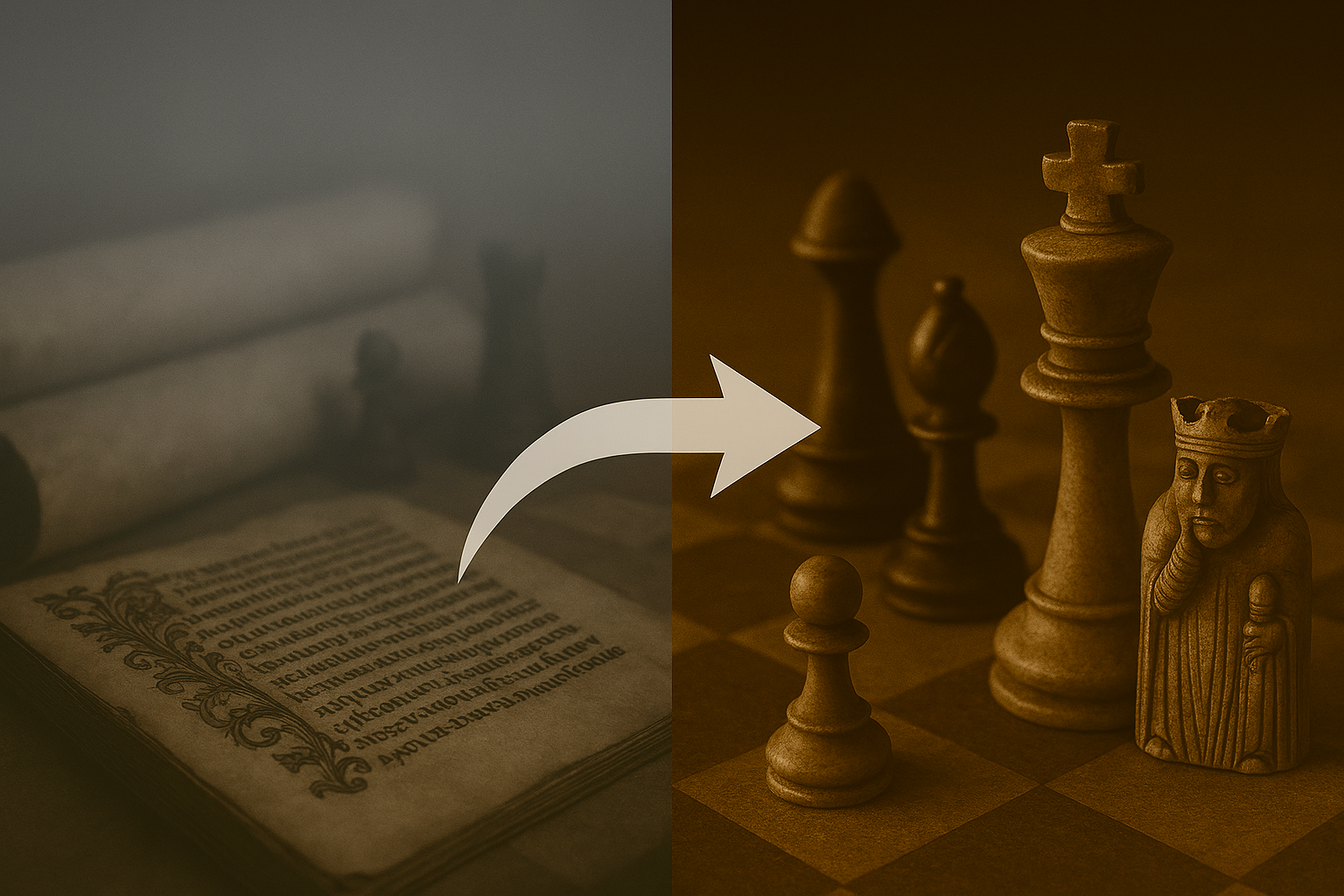
How my thinking changed.
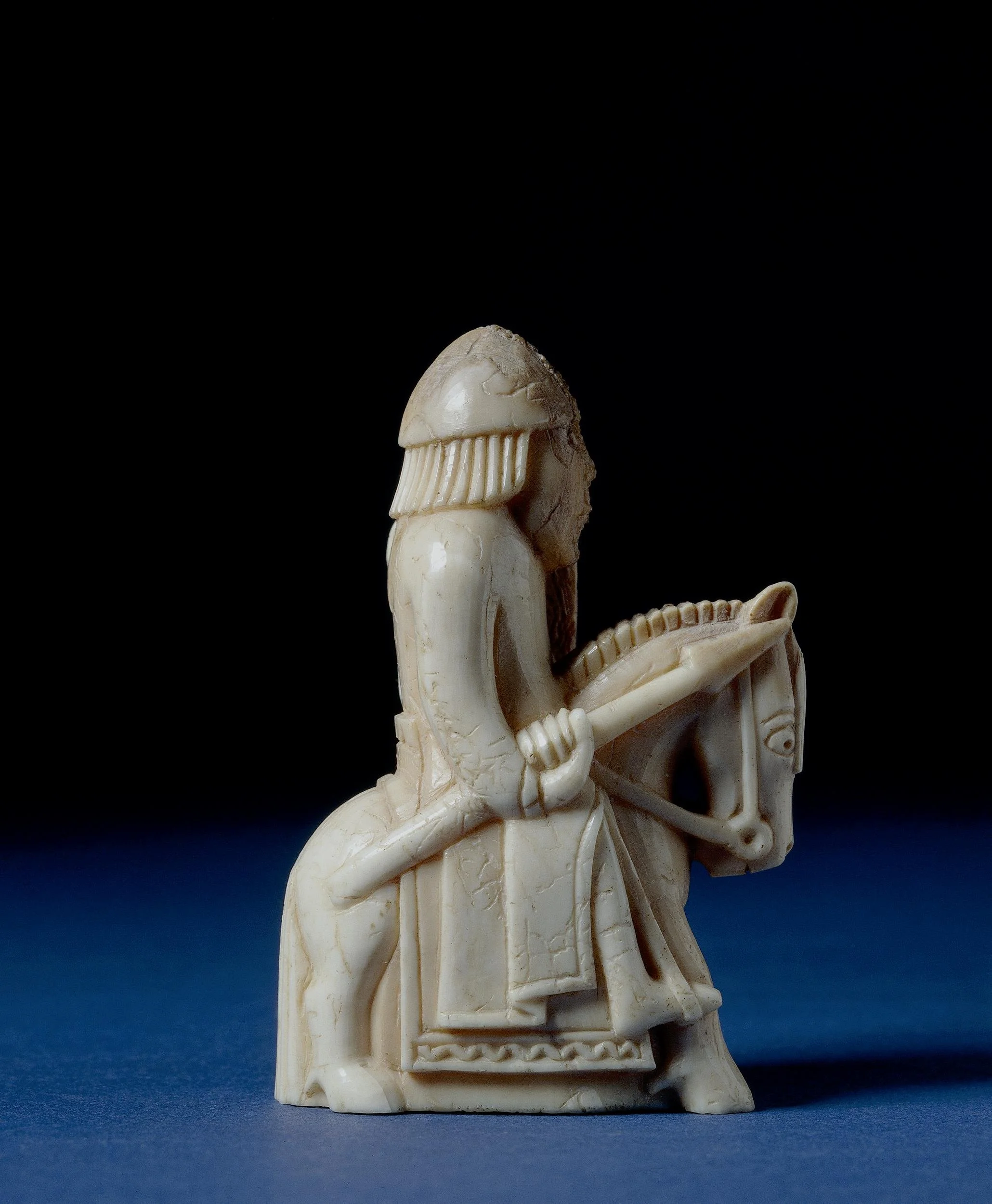
12th-century Scandinavian-style chess piece from the Lewis hoard: Knight, Mounted
I began this project focused on tracing the route chess took across the world. But as I researched the Lewis Chessmen, I became more interested in the people who carved, played, and lived with the game. This shift helped me understand how everyday objects reflect cultural exchange, creativity, and social life.
One small object can reveal an entire world
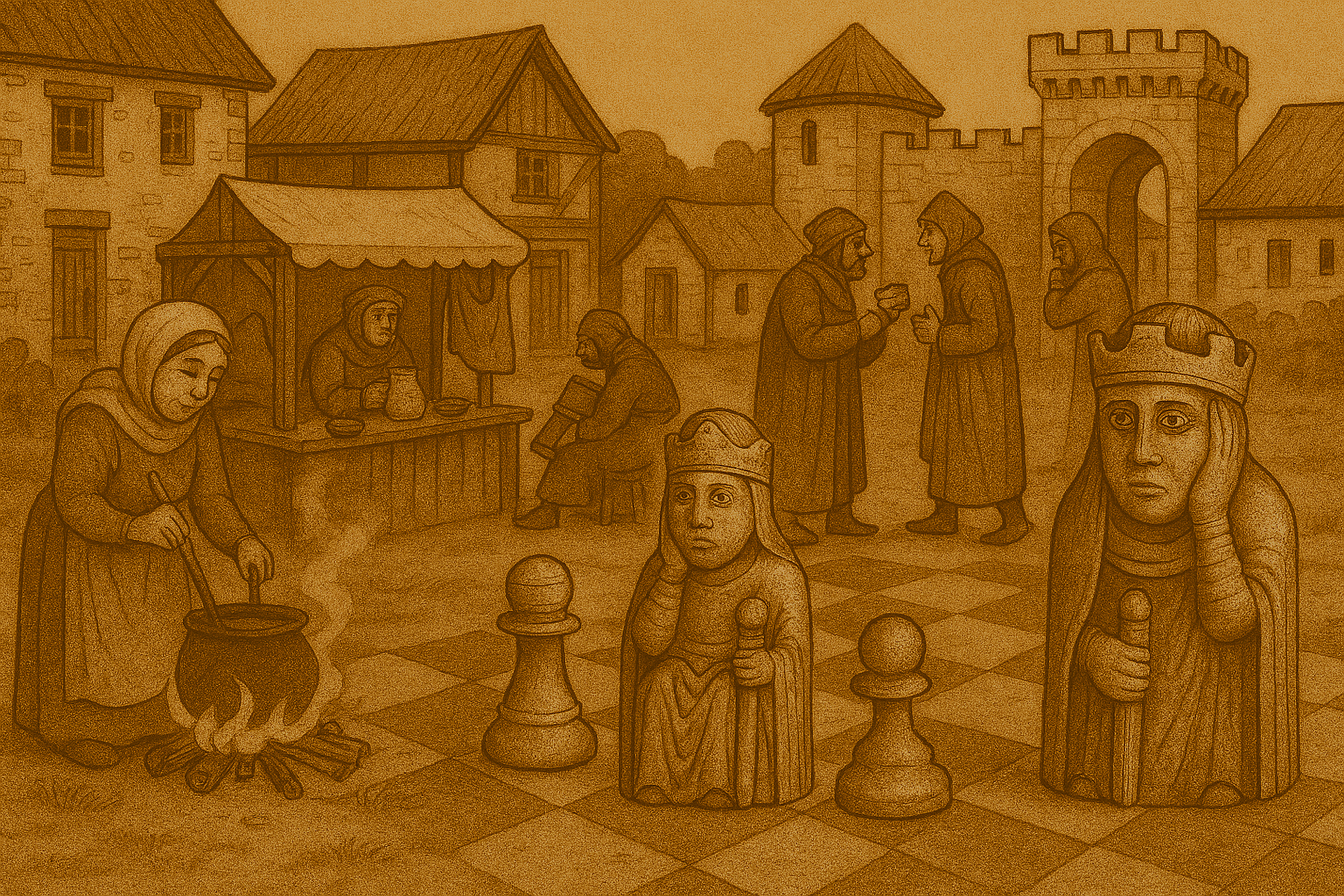
Why the Lewis Chessmen Matter
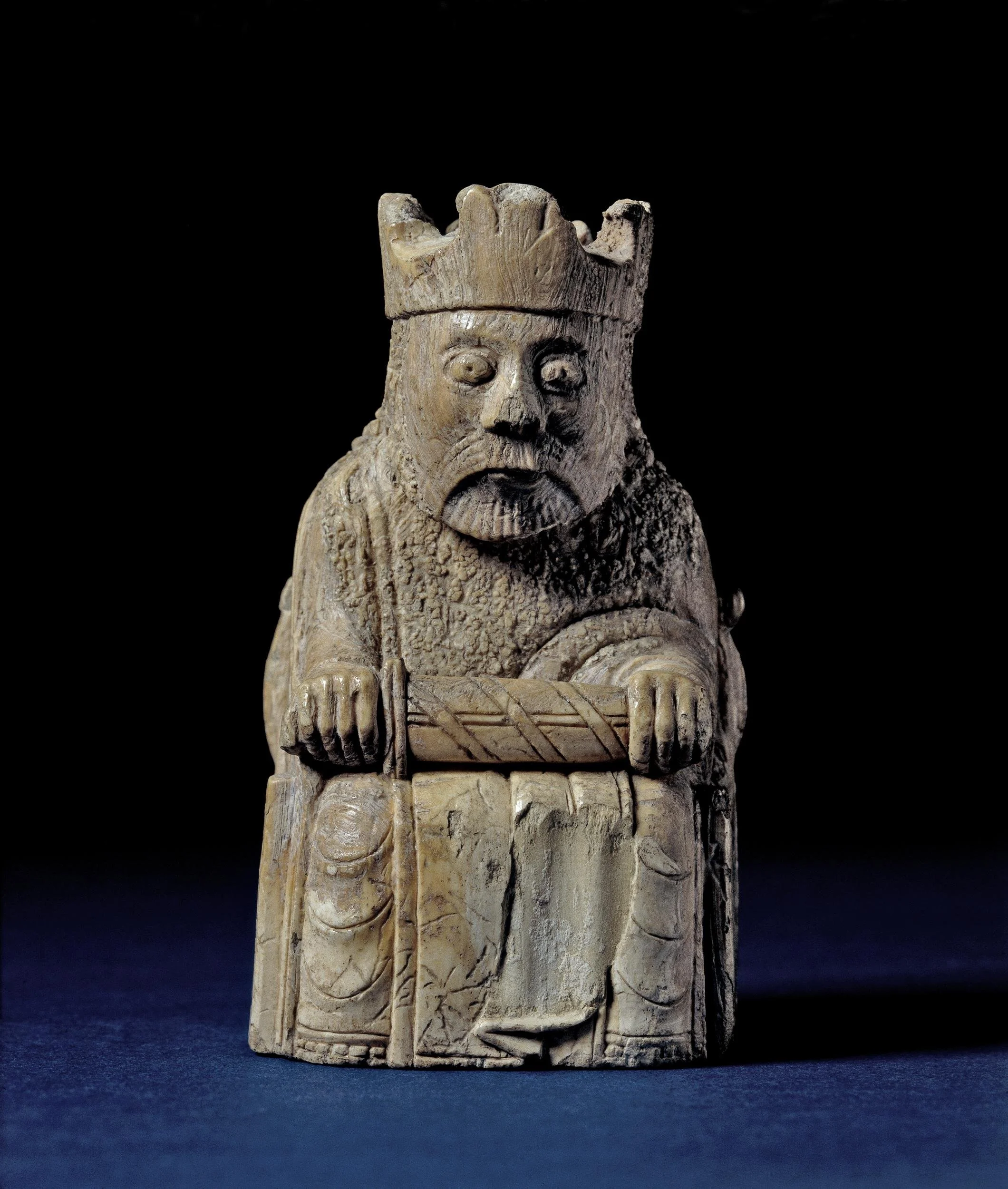
12th-century Scandinavian-style chess piece from the Lewis hoard: King
Chess was a part of everyday medieval life—an activity people used for strategy, entertainment, and social interaction. The Lewis Chessmen help us imagine what it meant to gather around a board in a longhouse or hall, thinking, laughing, and competing. They bring the past down to a human scale.
Conclusion & Questions.
The Lewis Chessmen reveal how a simple game can carry the stories of many cultures. Their global origins, local artistry, and enduring mystery make them a powerful example of how everyday objects illuminate the past.
Thank you-Questions?
12th-century Scandinavian-style chess piece from the Lewis hoard: Buckle